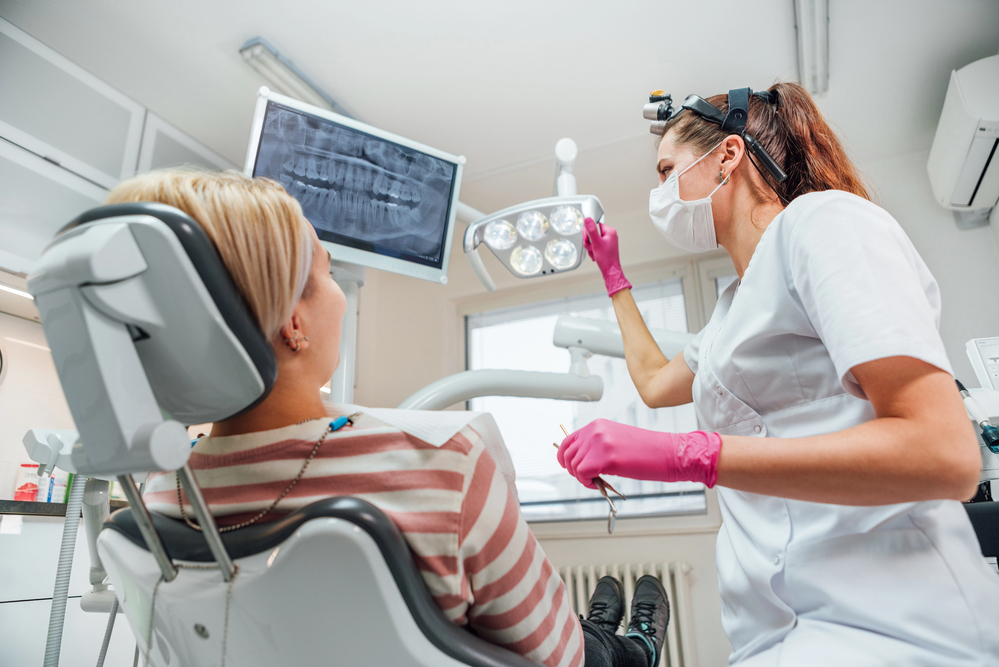
Dental X-rays are an essential part of your care. They allow your dentist to see areas not visible during a regular exam, such as cavities between teeth or infections inside a molar. These images guide treatment planning and help prevent bigger problems down the road.
Still, it’s natural to think about radiation exposure from X-rays. Many patients wonder how many dental X-rays are safe in a month or if imaging is really needed when you aren’t in pain. These are important questions, and understanding the facts can help you feel more confident about your dental health.
Is it Safe To Get X-Rays at the Dentist?
Yes, getting X-rays is safe. Modern dental X-rays use very small amounts of radiation. Natural sources like soil, radon gas, and cosmic rays expose you to several millisieverts of radiation every year, while dental imaging makes up less than 1% of that.
To give you perspective, a bite-wing X-ray (a look at the upper and lower back teeth on one side) gives you about the same amount of radiation you naturally get just from doing your regular activities for one day.
Many dental offices use digital X-rays instead of traditional film. These digital sensors require much less radiation, often up to 90% less. Because the machine directs the beam only where it’s needed, your radiation exposure stays very low. With such a tiny dose, there’s virtually no health risk. The bigger concern would actually be skipping an X-ray and missing an issue like an infection.
How Many Dental X-Rays Are Safe in a Month?
There is no set limit on how many X-rays you can have in a month. Instead, your dentist follows the ALARA principle, which means “As Low As Reasonably Achievable.” It’s a safety guideline used in healthcare to keep your exposure to radiation at the lowest level possible while still getting the information your provider needs to care for you.
If you are a healthy adult with a low risk of cavities or gum disease, you may only need bite-wing X-rays every 6 to 18 months. If you are dealing with ongoing decay, gum disease, or complex treatment, your dentist may recommend X-rays more often to track your progress.
What Are the Side Effects of Too Many Dental X-Rays?
Radiation side effects from X-rays are extremely rare because the doses are so small. Dentists are trained to use X-rays safely so they won’t damage your teeth, gums, or organs. The truth is, discomfort from holding the sensor in your mouth or triggering your gag reflex is much more common than any radiation side effect.
Can You Refuse X-Rays at the Dentist in Utah?
Yes, you can tell your dentist you don’t want X-rays. However, because imaging can reveal cavities, infections, or bone changes that aren’t visible during an exam, many dentists will not move forward with certain treatments without an X-ray.
Why Are Lead Aprons No Longer Used for Dental X-Rays?
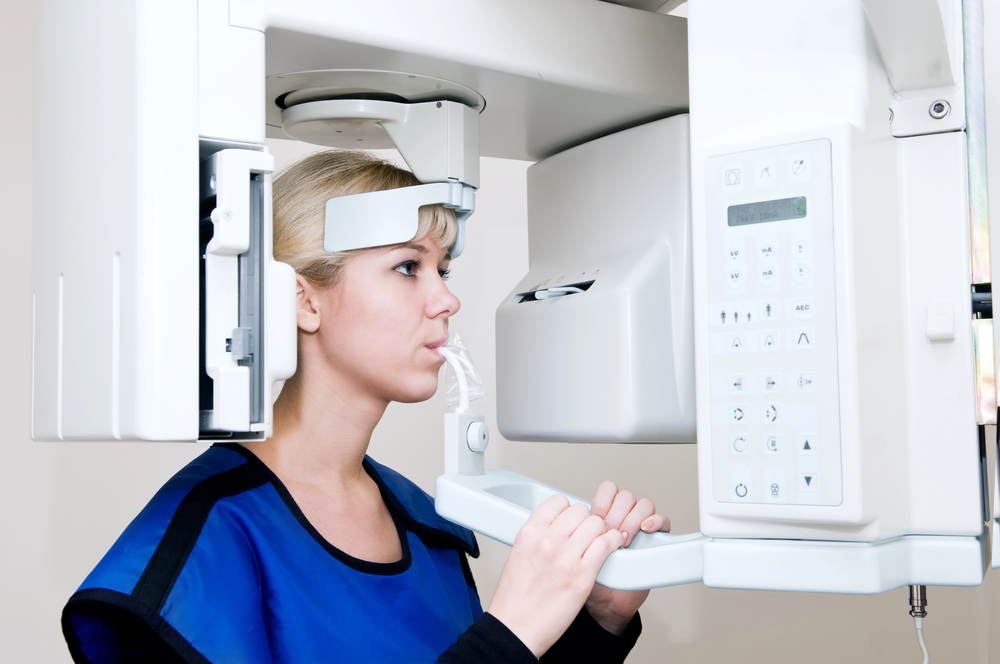
In the past, you may have worn a heavy lead apron during dental X-rays. In 2024, experts from the ADA and FDA updated their guidelines and found that aprons and thyroid collars are no longer necessary because today’s X-ray technology limits exposure so effectively that extra shielding isn’t needed.
Many dental offices still keep lead aprons available. If wearing one helps you feel safer, you can always ask your dentist for one.
Get Safe, Accurate Care With Digital Dental X-Rays
At Weekend Dental Emergency Care, our digital dental X-rays are among the safest available, using significantly less radiation while delivering instant results. We proudly serve patients in Salt Lake City, Lehi, and the surrounding areas, so you can get same-day treatment and fast relief when a dental emergency strikes.
Whether you have a sudden toothache, broken filling, or another urgent issue, you don’t have to wait until Monday to get care. Our emergency team is available over the weekend to relieve discomfort quickly and provide treatment options that protect your smile. Book an appointment online today, or call us directly at 801-901-9729 for immediate assistance.